Mining & Trade News
Malawi Online News
Top Stories
Mining
MUST introduces 10 new PG programmes
July 23, 2026 / Admin
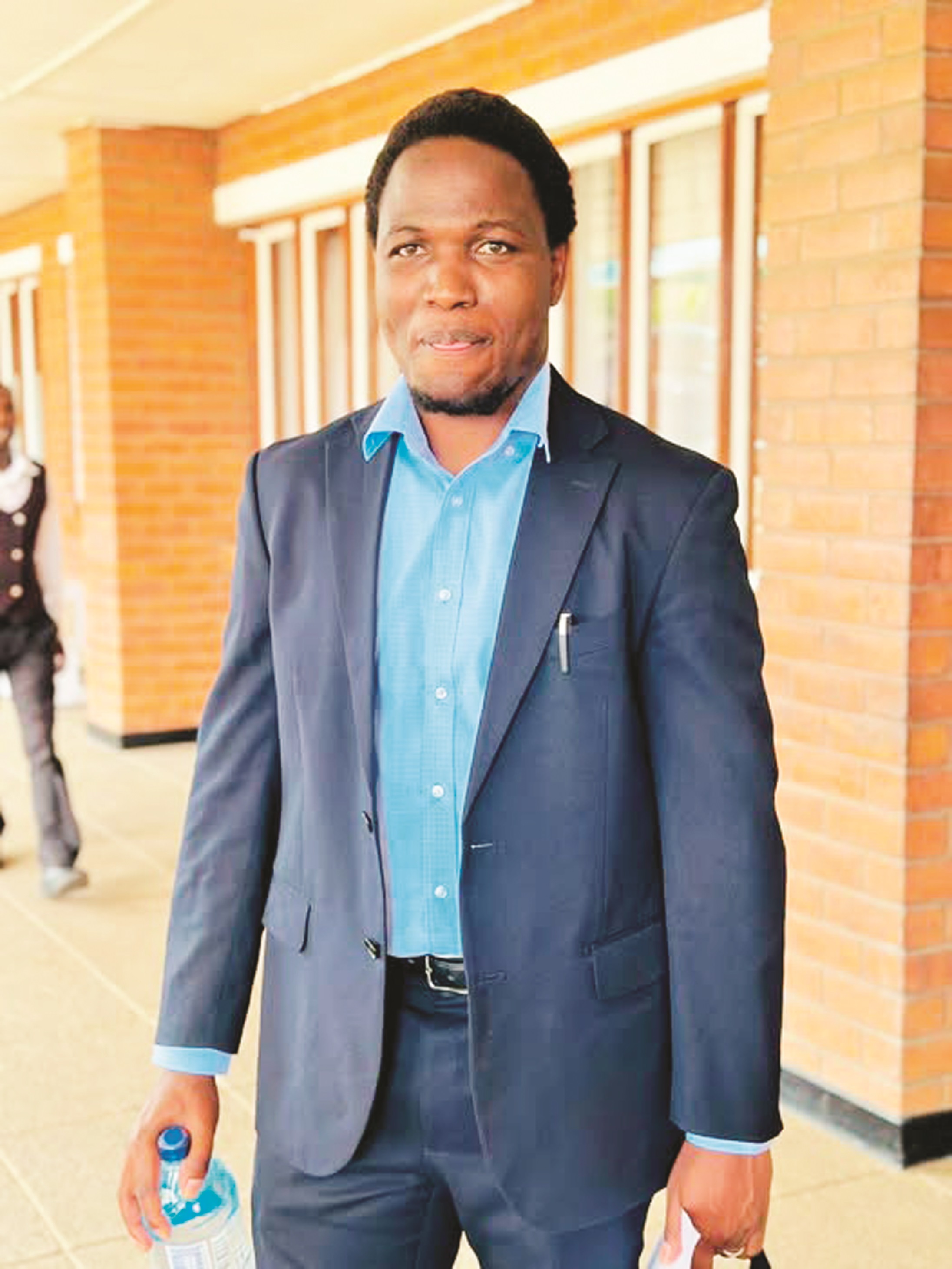
MUST has introduced 10 new postgraduate programmes aimed at creating more opportunities for advanced learning, research and innovation.
The new programmes, which are at both masters and doctorate levels, have been introduced in areas such as science, engineering, technology and the arts.
According to MUST Postgraduate Coordinator, Dr Jabulani Nyengere, the expansion reflects the university’s commitment to preparing graduates with skills that can contribute to solving real-world challenges.
“As a university, we continue to look at areas where we can provide relevant and specialised training. These new programmes will allow more students to pursue advanced studies while contributing to research and development in Malawi and beyond,” said Dr Nyengere.
At doctorate level, MUST has introduced PhD programmes in Science Communication; Geo-Information Science, and Applied Mathematics.
The new masters programmes include Science Communication; Geo-Information Science; Minerals and Mining Governance; Power and Energy Systems; Environmental Engineering; Water Utilisation, Waste and Health Engineering, and Music.
Dr Nyengere said the programmes respond to the growing need for experts in key areas that support national development.
“We need more researchers, innovators and professionals who can provide knowledge-based solutions in different sectors. These programmes will help build that capacity,” he said.
The introduction of the new programmes adds to MUST’s growing postgraduate portfolio and supports the university’s vision of advancing research, innovation and human capital development.
With these new additions, MUST now has 31 postgraduate programmes on offer.
Share this:
Leave a Comment
Comments
Mining & Trade Review News

Agribusiness News
Subscribe to Newsletter
Rehabilitation:
The establishment of a stable and self-sustaining ecosystem, but not necessarily the one that existed before mining began. In many cases, complete restoration may be impossible, but successful remediation, reclamation, and rehabilitation can result in the timely establishment of a functional ecosystem.
Archives
Remediation:
The cleanup of the contaminated area to safe levels by removing or isolating contaminants. At mine sites, remediation often consists of isolating contaminated material in pre-existing tailings storage facilities, capping tailings and waste rock stockpiles with clean topsoil, and collecting and treating any contaminated mine water if necessary.
Stackholders Logos